

ADU
When you’re trying to resolve an accommodation challenge on your property in Massachusetts, accessory dwelling units (ADUs) will likely come to mind. Known as secondary housing on a single-family residential lot, they are regularly used as rentals for extra income, housing family members, and even as home offices.
You likely have many questions when learning more about ADUs and their suitability for your property, such as ‘Can I build an ADU on my property?’ and ‘What’s the biggest ADU I can build?’ In this helpful Massachusetts ADU permit guide below, we’ll answer those questions and others so you can make well-informed construction decisions:
Can I Add An ADU On My Property?
The simple answer is yes, you can build an ADU on your property in Massachusetts. As part of the Affordable Homes Act, Massachusetts passed a major housing reform that reshaped the rules, making ADUs allowed by right in single-family zoning districts.
ADUs can exist in various forms, such as:
- Inside an existing home, such as a basement conversion into an apartment
- An addition to a primary residence
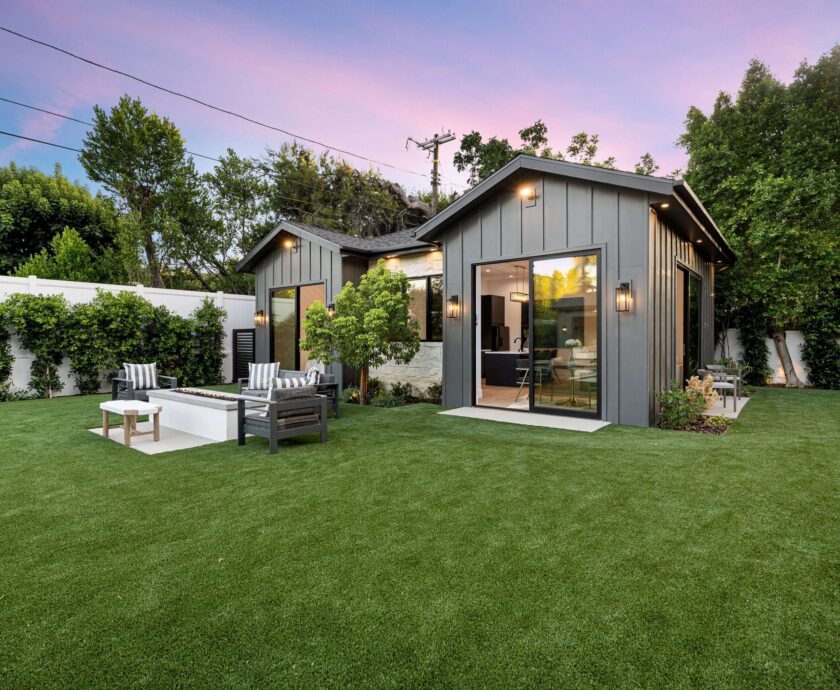
- A detached structure, such as a cottage or converted garage located in a backyard
The new rules apply to ADUs up to 900 square feet in size or smaller than 50% of the main home, whichever is smaller. They must have a separate entrance and comply with building code and safety rules.
Municipalities Maintain Control
You can go ahead and enlist the services of an experienced ADU design-build company in Massachusetts to design and build your ADU, but your local town or city can still regulate several parts of the process. It’s important to understand your requirements and obligations so your ADU project goes off without a hitch!
Your municipality can regulate or require:
- Site plan reviews
- Setbacks, height, and lot coverage
- Title V septic compliance
- Short-term rental restrictions
- Reasonable fees, such as for utilities and permits
However, they can’t require:
- A family relationship between the occupants
- Owner occupancy
- Special permits for basic ADUs
- Excessive parking, particularly near transit
You’ll Still Need Permits
There’s no denying that recent Affordable Homes Act changes have streamlined the ADU construction process, but that doesn’t mean construction is entirely unregulated and unpermitted. You still need permits to proceed with building an ADU in Massachusetts.
A building permit is required for all ADUs in the state, and you may also require additional approvals in some cases, such as:
- A zoning review to confirm compliance
- Utility approvals for water, sewer, and electrical
- Environmental or septic approvals
- Zoning relief if your design doesn’t comply
Fortunately, when you hire a trusted ADU design-build company to lead the way, they’ll take care of all necessary permits for your peace of mind.
Straightforward, Five-Step Permitting Process
While every ADU and property is different, most permitting processes are as follows:
- Perform a feasibility check to confirm zoning eligibility and evaluate the lot size, setbacks, and utilities.
- Design your ADU while ensuring compliance with size limits, building codes, and local rules. Streamline the process by hiring an ADU design-build business.
- Submit your permit application, along with structural, site, and utility details, to your local building department.
- Wait for the city to review your code compliance and zoning consistency before approving your request or requesting revisions.
- Build your ADU within your permit requirements, pass the inspections, and receive your certificate of occupancy!
Limitations and Rules to Know
While learning everything there is to know about building an ADU with permits in Massachusetts, it’s important to know the limitations and rules in place to reduce the risk of having your request denied.
In most cases, you are only allowed one ADU by-right per lot, with at least one parking space required. However, no parking is required if you’re building your ADU within half a mile of transit.
There may also be rules and regulations surrounding utilities, such as utility or connection upgrades. These rules vary by provider.
Accessory Dwelling Unit Uses
Under the Affordable Homes Act in Massachusetts, you can use your ADU for:
- Private caregiver housing, such as live-in caregivers, nannies/au pairs, home health aides
- Multi-generational housing for adult children or aging parents
- Aging in place
- Flexible space for guests’ quarters, a home office, an art studio, or a hobby space
While rental income is a popular option, it’s important to be mindful of the regulations around short-term living. Local municipalities impose their own restrictions, which may mean that some ban or heavily restrict short-term rentals. The definition of a short-term rental is typically 31 days or less.
Build An ADU with Republic Building Contractors in Massachusetts
Are you ready to build an ADU in Massachusetts? Call the full-service ADU construction team at Republic Building Contractors.
We take care of all aspects of the ADU construction process, including design, permits, and construction. You can look forward to one experienced team from start to finish! Contact us to find out what is possible for your property. We provide free, no-obligation consultations and quotes!